
Working across countries, languages and health systems to strengthen trustworthy, evidence-based clinical practice guidelines throughout Eurasia.
Regional collaboration
Methodological capacity
Trustworthy guidelines
Eurasia encompasses countries with diverse healthcare systems, cultures, languages, economic environments and levels of experience in clinical practice guideline development and implementation.
Despite this diversity, countries across the region face many common challenges, including fragmented guideline activities, duplication of effort, limited methodological capacity, insufficient implementation support and difficulties in adapting international recommendations to local healthcare contexts.
The Eurasian Clinical Practice Guidelines Initiative was created to transform these shared challenges into opportunities for regional cooperation.
Work that respects the languages, cultures and health-system traditions of the region.
Methods grounded in internationally recognised, evidence-based standards.
A collaboration platform spanning countries, institutions and professions.
Common priorities, less duplication and stronger implementation together.
A Eurasian region in which healthcare decisions are informed by high-quality, transparent, context-sensitive and evidence-based clinical practice guidelines, contributing to better healthcare outcomes and more equitable health systems.
To create an inclusive and sustainable regional collaboration platform that strengthens the development, adaptation, implementation, updating and evaluation of clinical practice guidelines across Eurasia. We aim to connect expertise across countries, build methodological capacity and facilitate the translation of scientific evidence into clinical practice and health policy.
Our goal is to strengthen collaboration, methodological capacity and implementation of trustworthy, evidence-based clinical practice guidelines throughout the region.
Establish a regional collaboration platform for guideline developers, policymakers, HTA organisations, professional societies, academia, healthcare organisations, patients and the public.
Strengthen methodological capacity in clinical practice guideline development and implementation.
Promote internationally recognised standards and evidence-based methodologies.
Facilitate adaptation and contextualisation of international guidelines to local and regional healthcare environments.
Advance implementation science and knowledge translation.
Identify shared regional priorities, methodological gaps and implementation barriers.
Reduce unnecessary duplication of guideline development activities through collaboration and resource sharing.
Encourage joint research, publications, consensus documents and regional position statements.
Promote meaningful patient and public involvement in guideline development.
Support early-career researchers and professionals interested in guideline science.
Facilitate collaboration between guideline organisations, universities, ministries, HTA agencies and international networks.
Four professors and specialists across the region. Select a profile to open the full academic record.
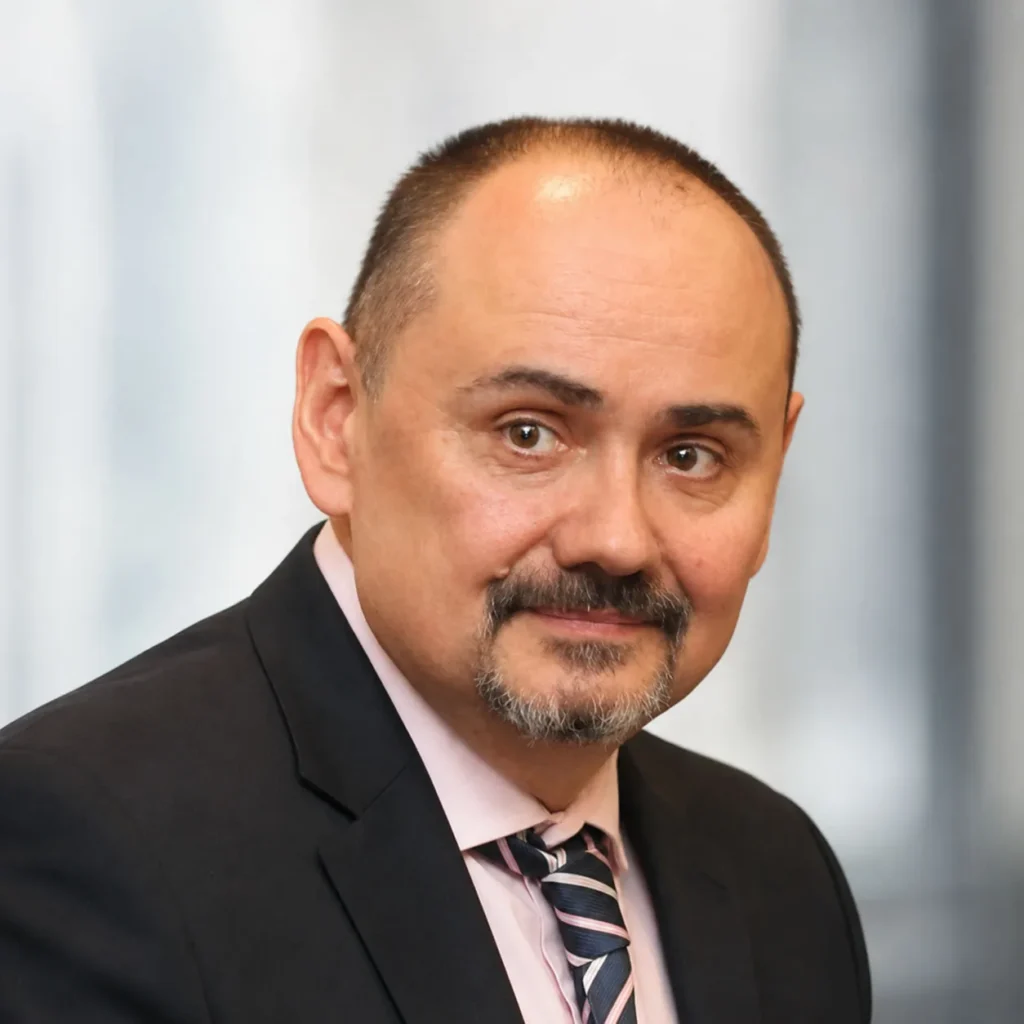
Health Promotion Specialist
Public Health Institute of Canton Sarajevo
Social medicine · Health systems · Quality improvement
Public health specialist in social medicine, health organisation and health economics, with more than 25 years of experience in health systems strengthening and quality improvement. He coordinates programmes on healthy lifestyles, non-communicable disease prevention, mental health and community health promotion, and has served with UNICEF, WHO and the Agency for Quality and Accreditation in Healthcare of the Federation of Bosnia and Herzegovina.
President, Commission for Quality Assurance
Health Care Centre, Bijelo Polje
Occupational medicine · Family medicine · Guideline development
Specialist in occupational medicine and family medicine with more than 40 years of clinical experience in primary health care, medical education, healthcare quality management and scientific research. Primarius and lecturer, she is a co-author of two national clinical practice guidelines and of Montenegro’s national strategy for the improvement of workers’ health and occupational safety.

Transfusion Medicine Specialist
Institute of Transfusion Medicine, Skopje
Transfusion medicine · Haematology · Haemostasis
Medical doctor specialised in transfusion medicine, with more than ten years of clinical experience and ongoing haematology and doctoral training. Her work focuses on haemostasis, thrombosis and platelet function disorders, and on contributing to evidence-based clinical guidelines and international collaboration in this field.
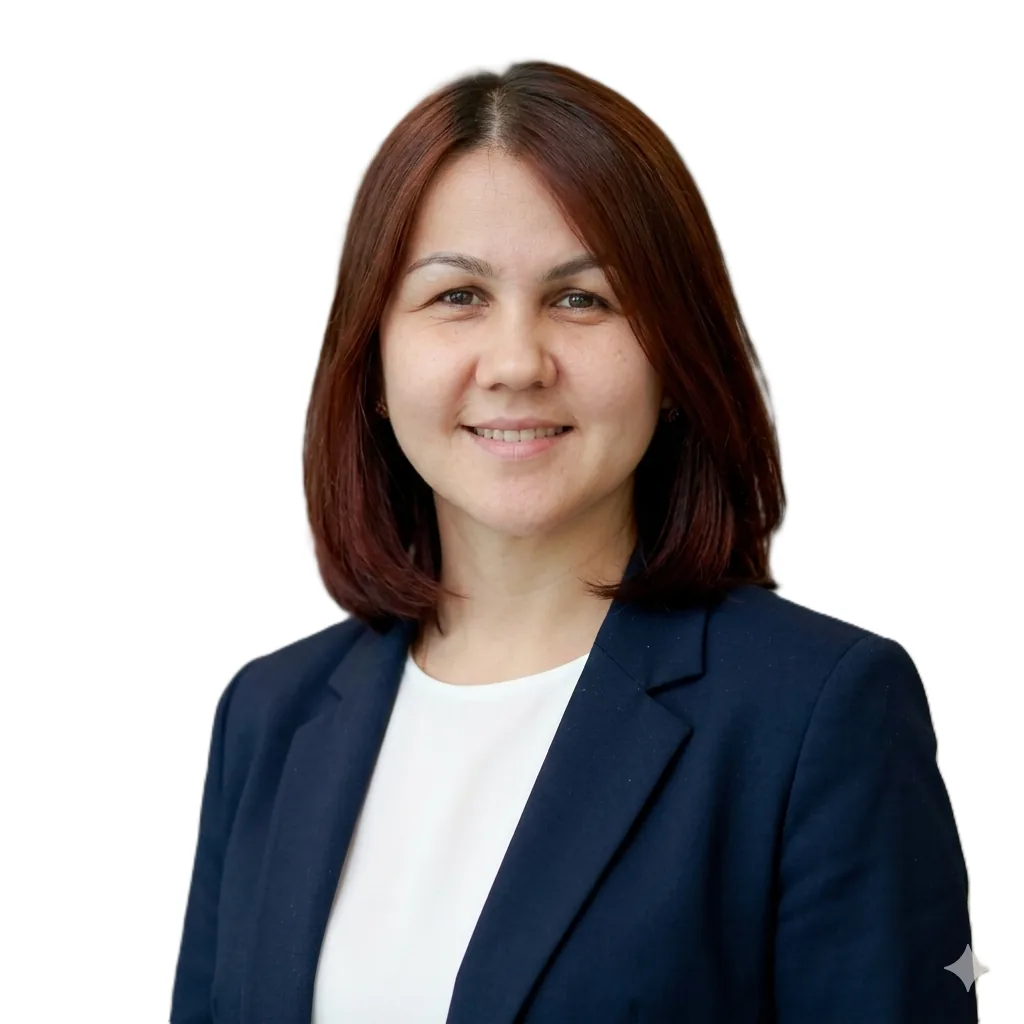
Senior Public Health Specialist
FHI 360, EpiC Project
Health policy · Evidence-based medicine · Programme management
Senior public health specialist and pharmacist with more than 20 years of experience in health systems strengthening, health policy and programme management. She played a leading role in Tajikistan’s National Health Strategy to 2030 and pioneered the country’s Evidence-Based Medicine Centre, advancing clinical guideline development and evidence-informed policymaking.
Highlighted countries have GIN Eurasian Working Group members. Click a country — or its gold pin — to see the doctor there.
Gold countries on the map mark where a GIN Eurasian Working Group member is based. Click one to open their profile.
Deputy Head
Central Customs Hospital
Health Promotion Head
Public Health Institute of Canton Sarajevo
Consultant, Primary Health Care Quality Improvement
Ministry of Health
Scientific Advisor
Kazakhstan Association of Health Technology Assessment, Evidence-Based Medicine and Pharmacoeconomic Research
President, Quality Assurance Commission
Health Care Centre, Bijelo Polje
Head of HTA Department
Institute of Public Health of Serbia
Public Health Specialist
FHI 360, EpiC Project
Developing CPG
National Authority for Assessment and Accreditation (INEAS)
Head
Turkish Evidence-Based Medicine Association
Founding President
Turkish Evidence-Based Medicine Association
Transfusion Medicine Specialist
Institute of Transfusion Medicine, Skopje